Supply Chain Resilience in Unstable Times: How MASQ Keeps Projects Moving
Supply Chain Resilience in Unstable Times: How MASQ Keeps Projects Moving
Construction and fit-out projects run on predictable delivery. A lighting package that's weeks late doesn't just delay one trade — it pushes back handover, strains contractor schedules, and forces site teams to replan around a shipment that hasn't arrived. In a region where air and sea freight routes can shift without warning, that predictability can no longer be assumed.
When the Usual Routes Aren't Reliable
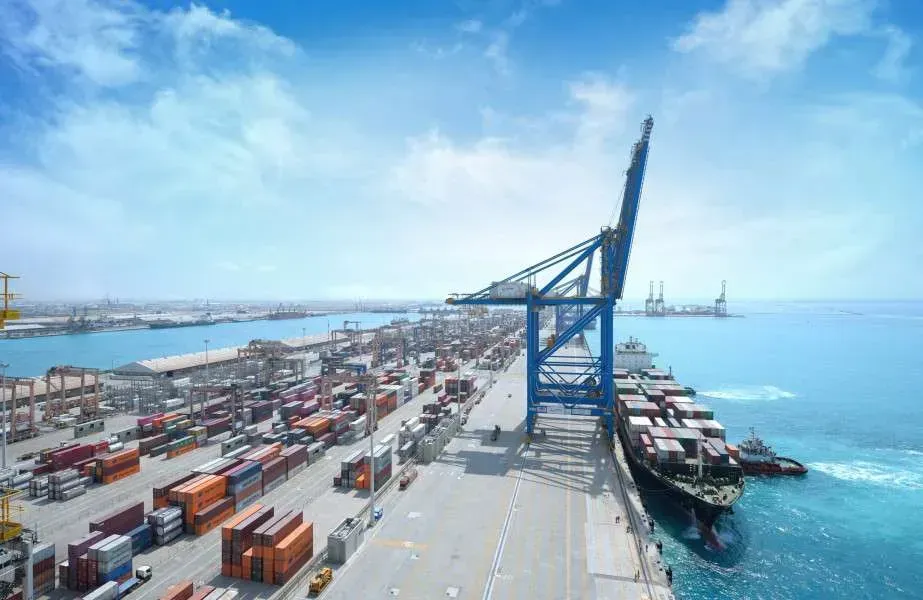
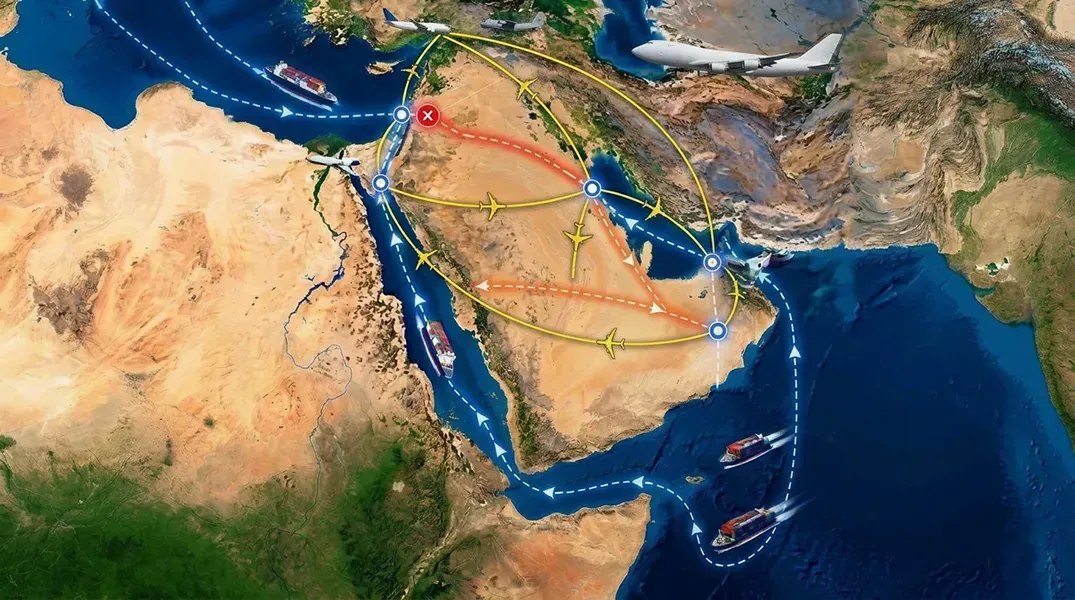
Disruptions to major airports and seaports in the region have put real pressure on freight moving into KSA. For project teams, the effect isn't abstract — it shows up as uncertainty around delivery dates, site readiness, and handover milestones that were set months earlier against assumptions that no longer hold.
This isn't a problem unique to any one supplier or any one project. It's a structural shift in how materials move through the region, and it affects every company that depends on imported fixtures, components, or finishes to meet a construction timeline.
Why a Single Route Is a Single Point of Failure
A supply chain built around one route — one port, one hub, one mode of transport — works fine until that route doesn't. The risk isn't theoretical: a closed port or a grounded flight can stall a shipment indefinitely, with no fallback already in motion.
Resilience doesn't mean predicting every disruption. It means designing a supply chain that doesn't depend on any single point holding.
How MASQ Approaches It
Every MASQ supply plan is built with alternatives from the outset, not improvised after a disruption occurs:
- Alternative routing. Shipments are redirected through unaffected ports and logistics hubs when the usual channels are congested or closed.
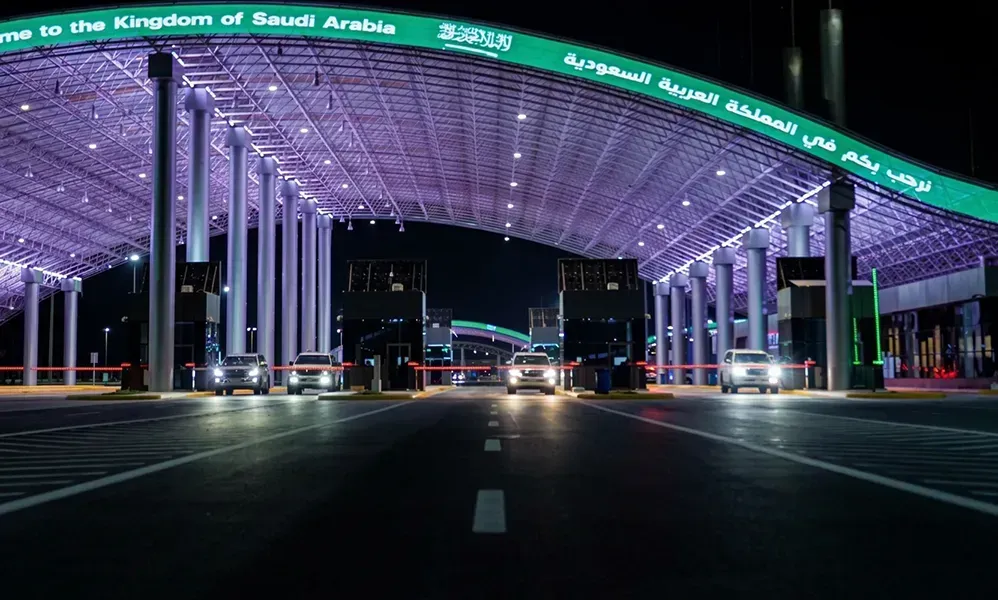
- Our Qatar base as a secondary channel. Materials are consolidated at our Qatar facility and moved overland into KSA, keeping deliveries independent of air and sea freight when needed.
- Cross-border coordination. Our teams in KSA, Qatar, UAE, and Lebanon track every shipment and adjust routing in real time, rather than discovering a problem after it's already caused a delay.
The result isn't immunity from disruption; no supply chain has that. It's a materials flow into our KSA projects that keeps moving even when the usual channels are under strain.
What This Means for Project Planning
For project teams working with any supplier in the region, the practical takeaway is the same: ask how a vendor's supply chain is structured before a disruption happens, not after. A single-route dependency is a risk that surfaces at the worst possible moment — mid-project, with a handover date already committed.
Resilience isn't about promising that disruptions won't happen. It's about having already planned for the moment they do.
Share on