Light + Building 2026: A Fair at a Crossroads
Light + Building 2026: A Fair at a Crossroads
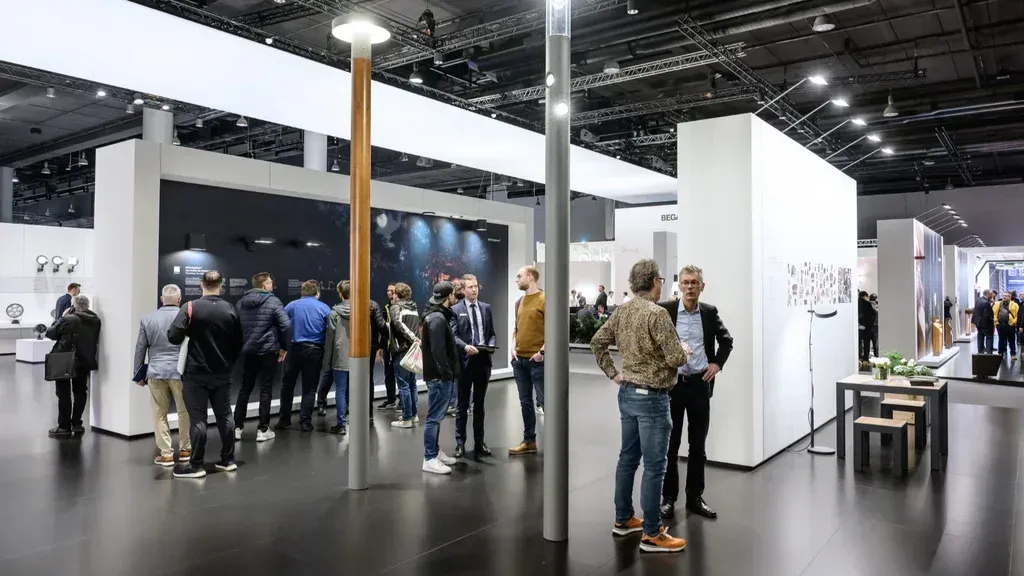
Attending Light + Building 2026 this year felt different. While the fair remained organized and vibrant, several well-known international brands; particularly from the Italian decorative lighting sector were missing, subtly shifting the overall atmosphere.
Attendance figures reflect this change. In 2024, the fair welcomed 151,192 visitors and 2,169 exhibitors. This year, roughly 144,800 visitors attended 1,927 exhibitors. In practical terms, each exhibitor connected with slightly more attendees than before, suggesting that while the overall scale was smaller, the depth of engagement may have improved.
Still, from a strategic perspective, the event
did not meet expectations. Reduced participation from key regions and the absence of some leading brands indicate that the traditional format may struggle to keep pace with the evolving needs of the industry. Many are already questioning whether future editions can remain relevant without substantial changes.
A Changing Context
Global developments shaped this year’s experience. The escalation of tensions in the Middle East disrupted aviation routes, affecting major hubs such as Dubai International Airport and Hamad International Airport. Travel complications prevented some participants from attending, particularly from the GCC and parts of Asia, which impacted the international balance of the fair.
Simultaneously, industry engagement is evolving. Many attendees now prioritize scheduled, personalized meetings over spontaneous visits. This created a fair that felt more structured, with interactions that were technical, intentional, and often longer than in previous years.
A More Focused, Intentional Fair
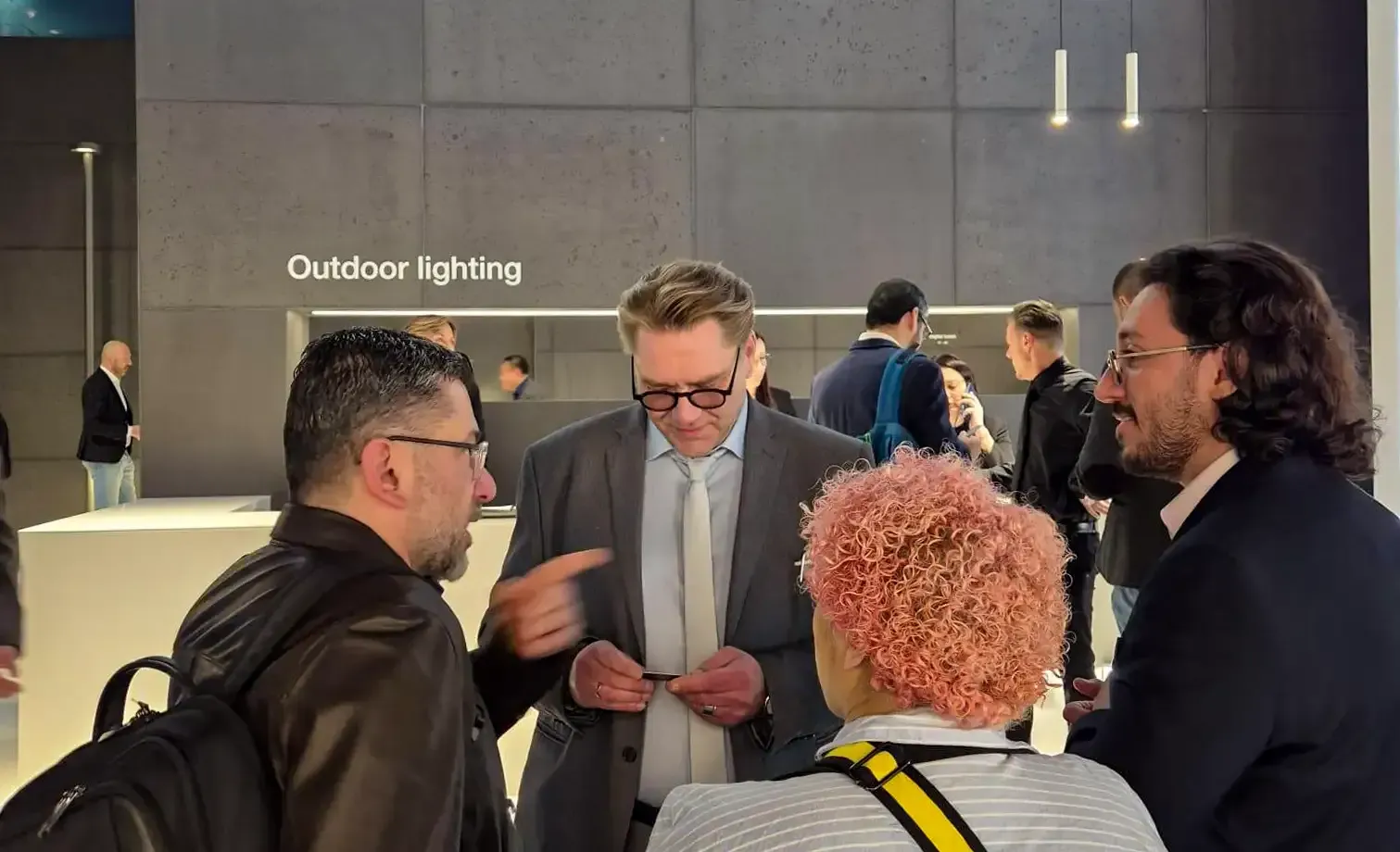
Exhibitors noted that discussions centered less on broad product displays and more on technical integration, interoperability, and system performance. While the overall visitor numbers were slightly lower, the meetings that took place tended to be more in-depth and meaningful, reflecting a shift toward quality over quantity.
Lighting Within a Larger Ecosystem
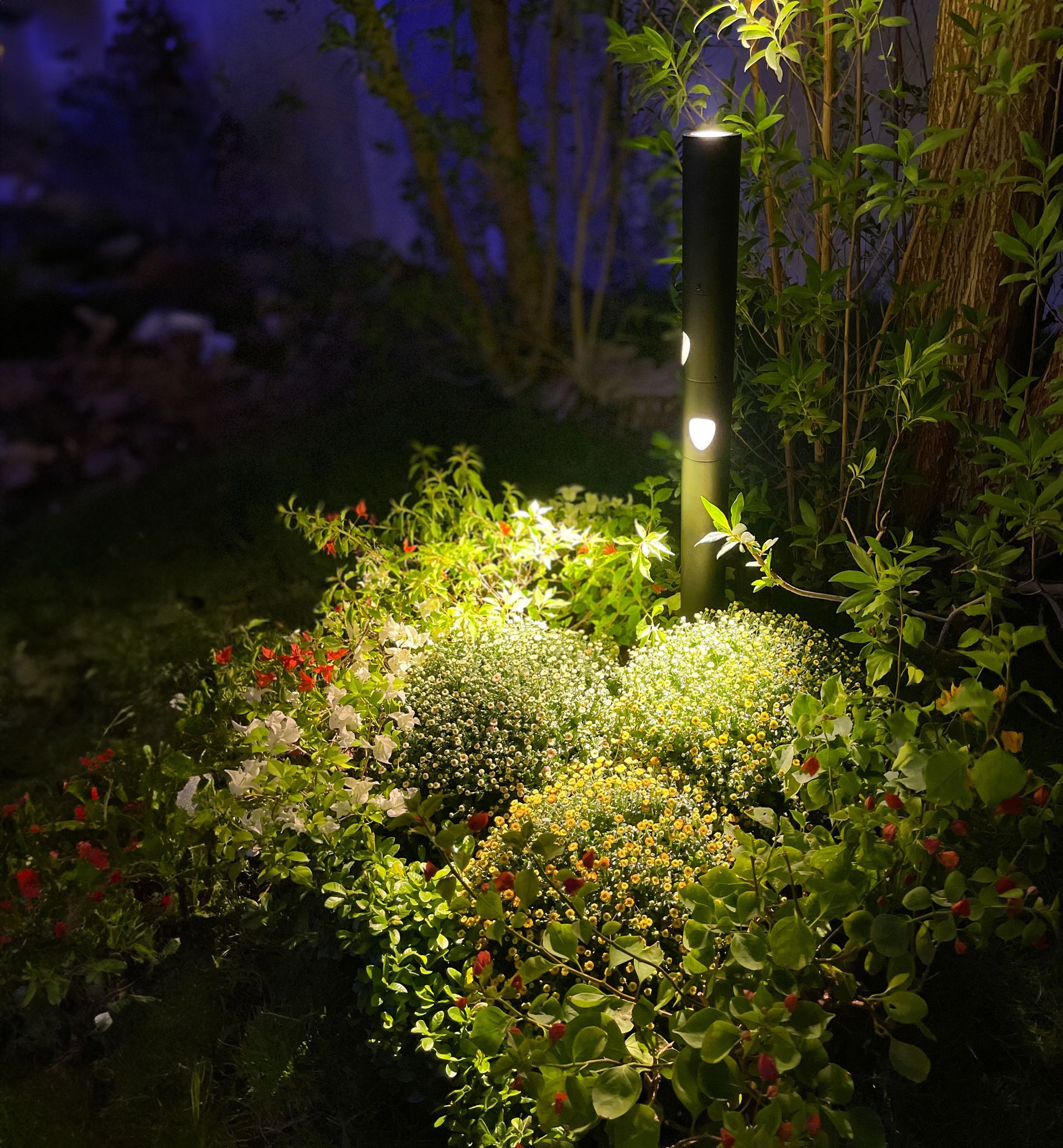
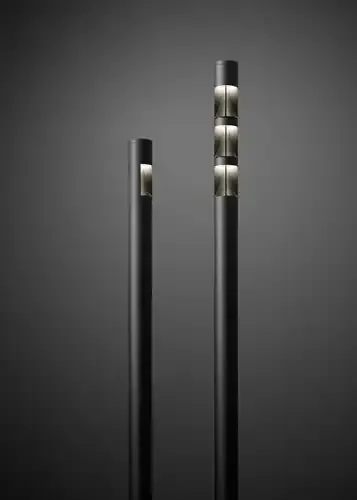
Lighting is increasingly part of a wider ecosystem that includes data management, connectivity, and urban infrastructure. Solutions like Simes’ smart urban poles demonstrate how lighting is embedded within platforms integrating energy, surveillance, and connectivity.
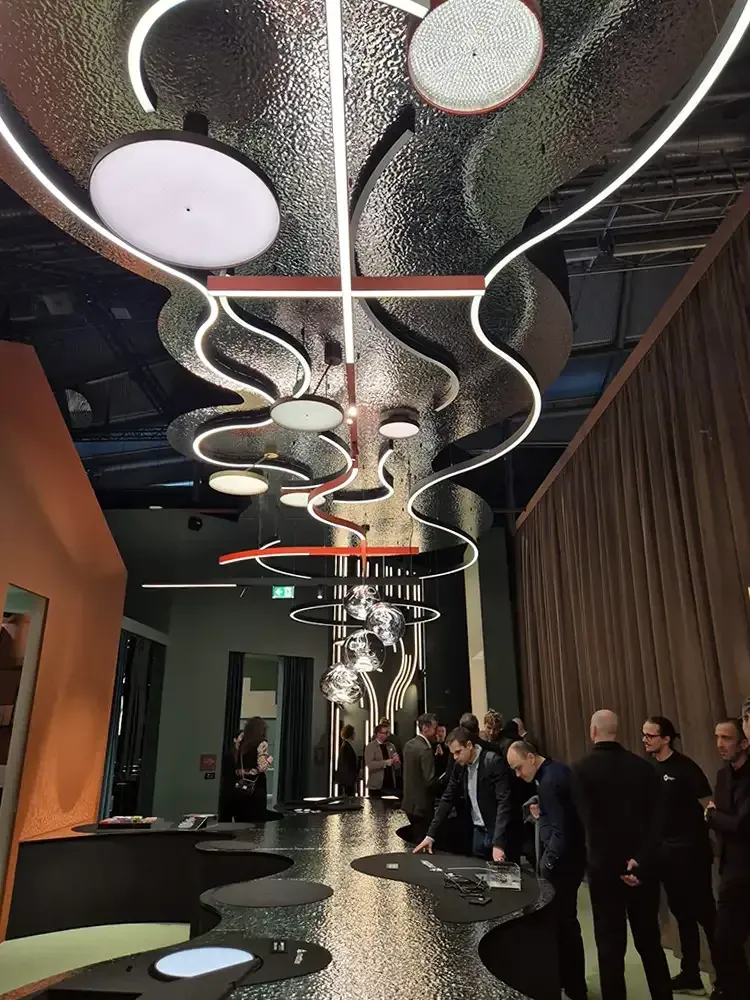
Trilux’s
office lighting systems combine illumination with occupancy data, sensors, and adaptive control, showing how lighting now contributes to the performance and efficiency of spaces. Basalte continues to integrate lighting with automation and user experience, building modular systems that can adapt as project requirements evolve.
Lighting as Media
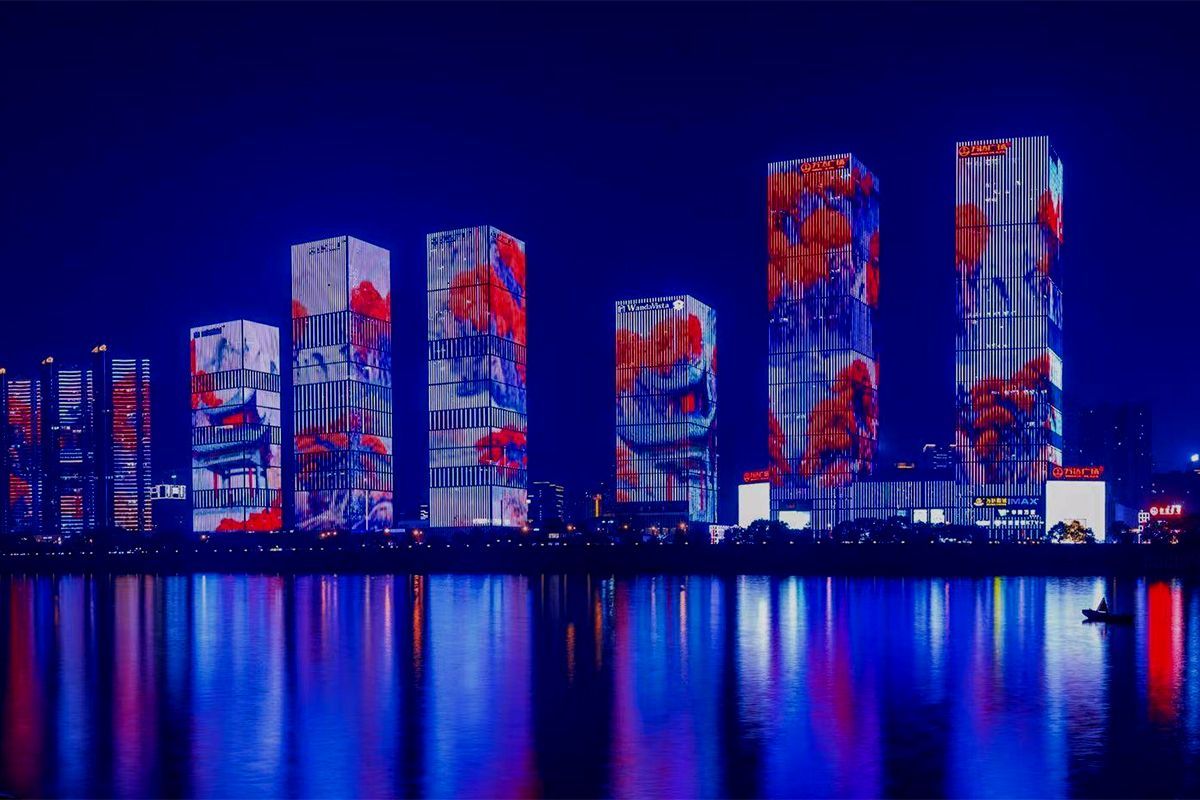
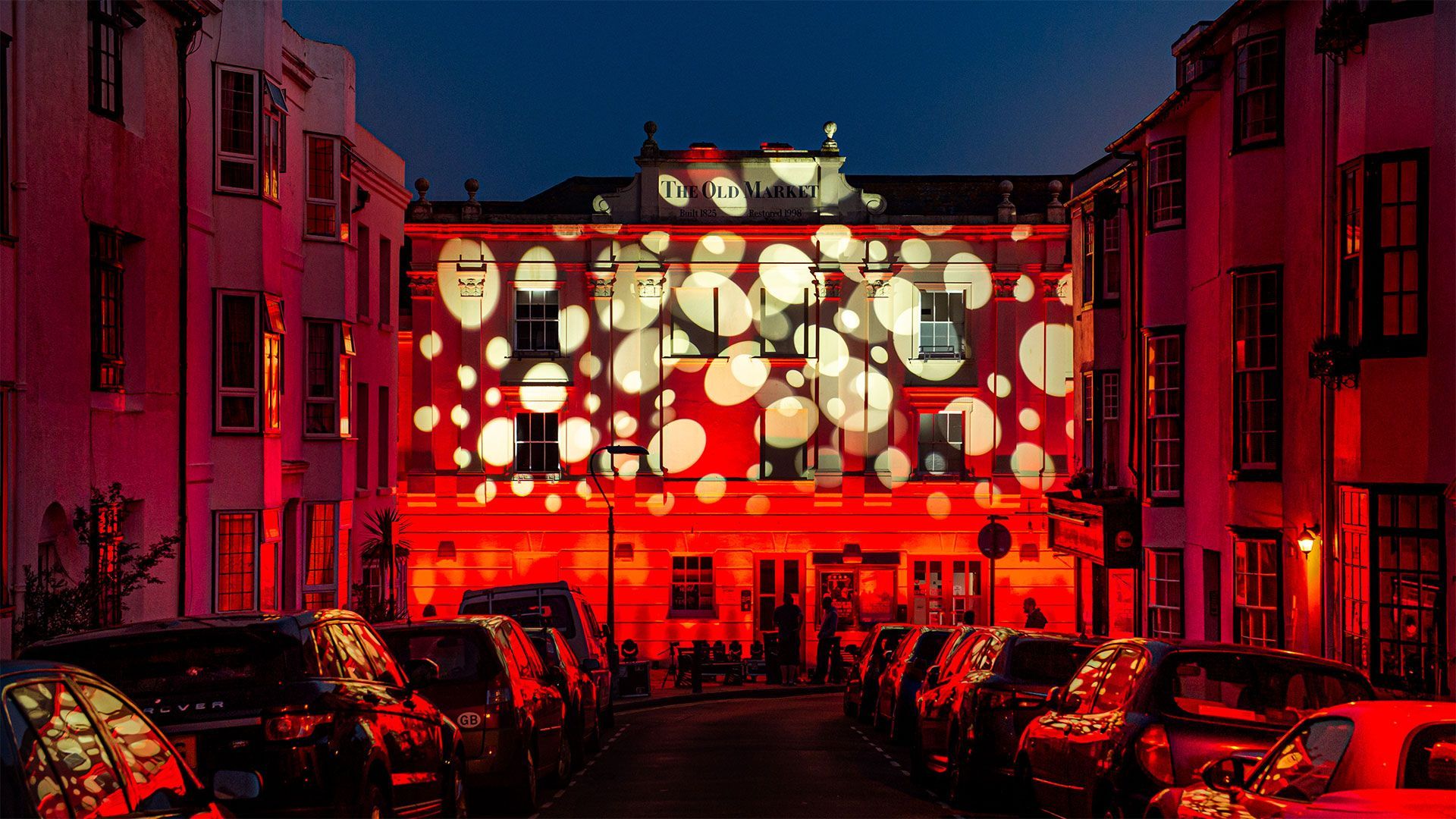
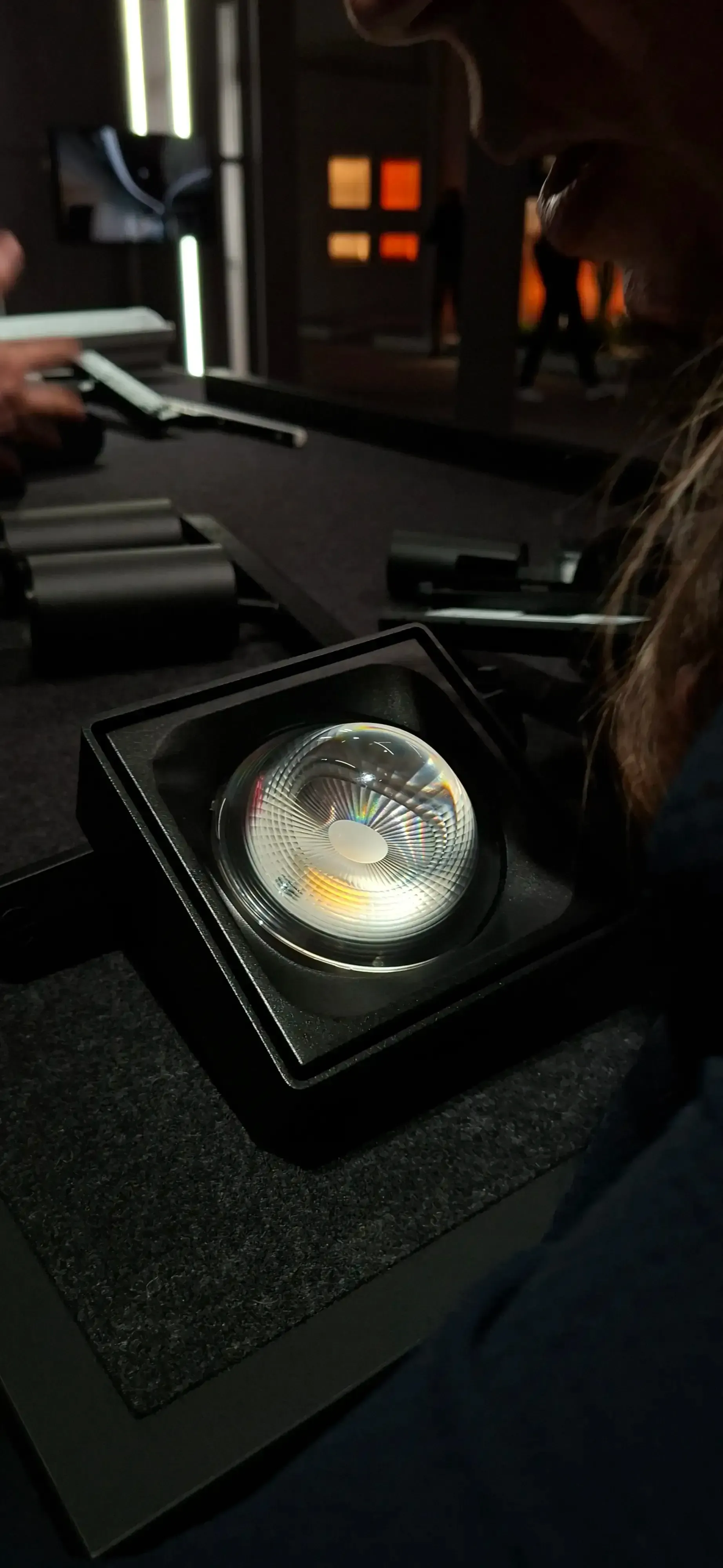
Architectural lighting is merging with media expression. Pixel-controlled façades, such as those from PROLIGHTS, turn buildings into programmable canvases, enabling creative communication beyond traditional illumination.
Practical Innovation
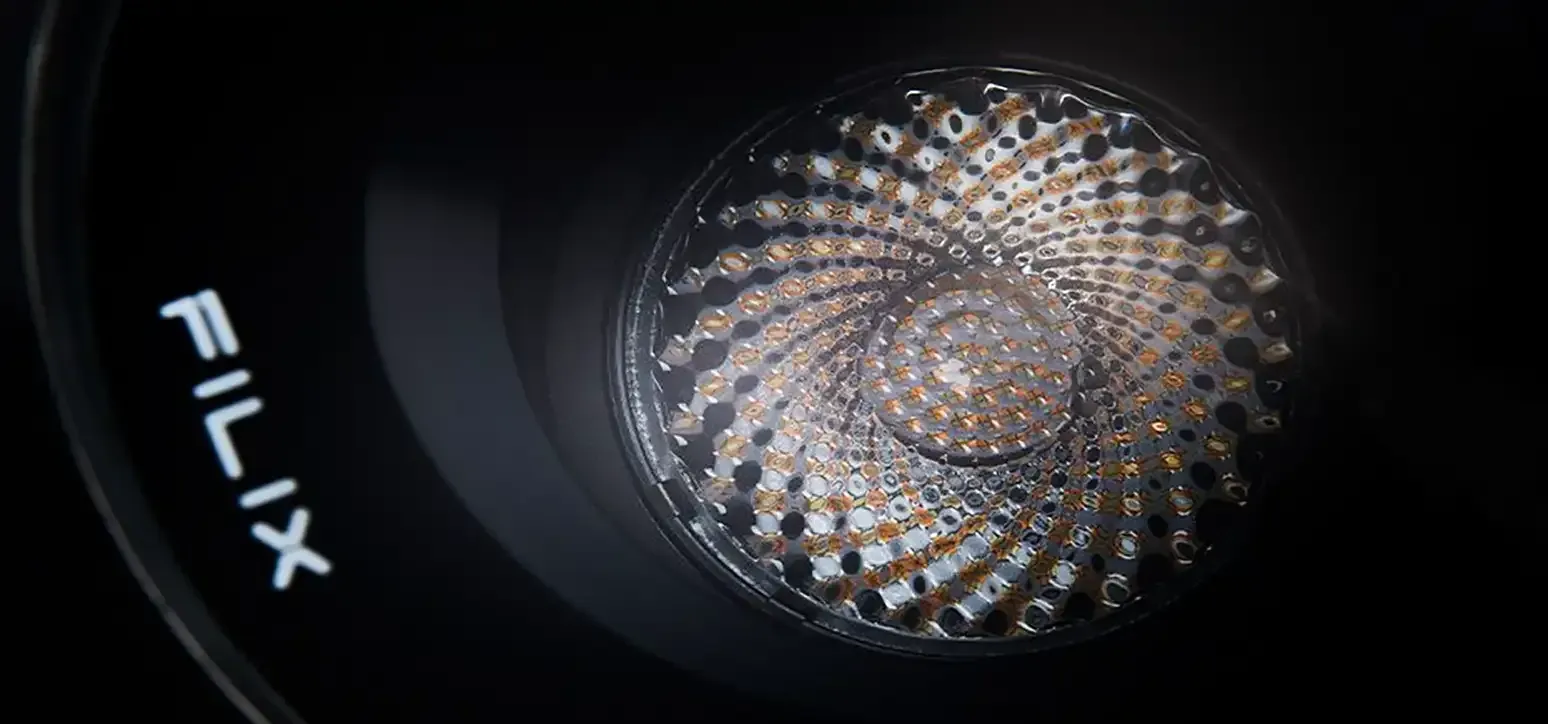
Innovation is now measured by usability as much as novelty. Filix Lighting’s “Split & Seal” approach emphasizes durability, maintainability, and long-term performance. Across the industry, practical solutions that solve real-world challenges are becoming just as important as advanced features.
Integration and Modularity
Across product categories, the most notable advances are in system integration and flexibility. Lighting now connects with:
- Sensors
- IoT platforms
- Automation
- Infrastructure
Integration ensures these systems work seamlessly together, while modularity allows them to adapt, scale, and remain relevant as technology and project needs change.
A Fair in Need of Reinvention
Light + Building 2026 highlighted a critical point: the traditional trade fair model is being tested. The absence of certain key players and shifts in international participation underline the need for change. Curated experiences, richer content, and engagement formats focused on meaningful interactions could determine the future relevance of the fair.
Looking Ahead
Despite the challenges, the fair still offered value. Exhibitors engaged more deeply, and conversations were purposeful. Yet the message is clear: without evolution,
Light + Building risks losing its significance. Success will no longer be measured by attendance numbers alone but by the fair’s ability to adapt, deliver meaningful engagement, and remain in tune with the industry’s evolving needs.
Share on