Home Automation: Why One-Size-Fits-All Doesn't Work

costy • October 30, 2026

Home Automation: Why There's No One-Size-Fits-All System

Home automation is the integration of a home's lighting, climate, shading, security, and entertainment into a single system that can be controlled centrally, remotely, or automatically, rather than device by device.
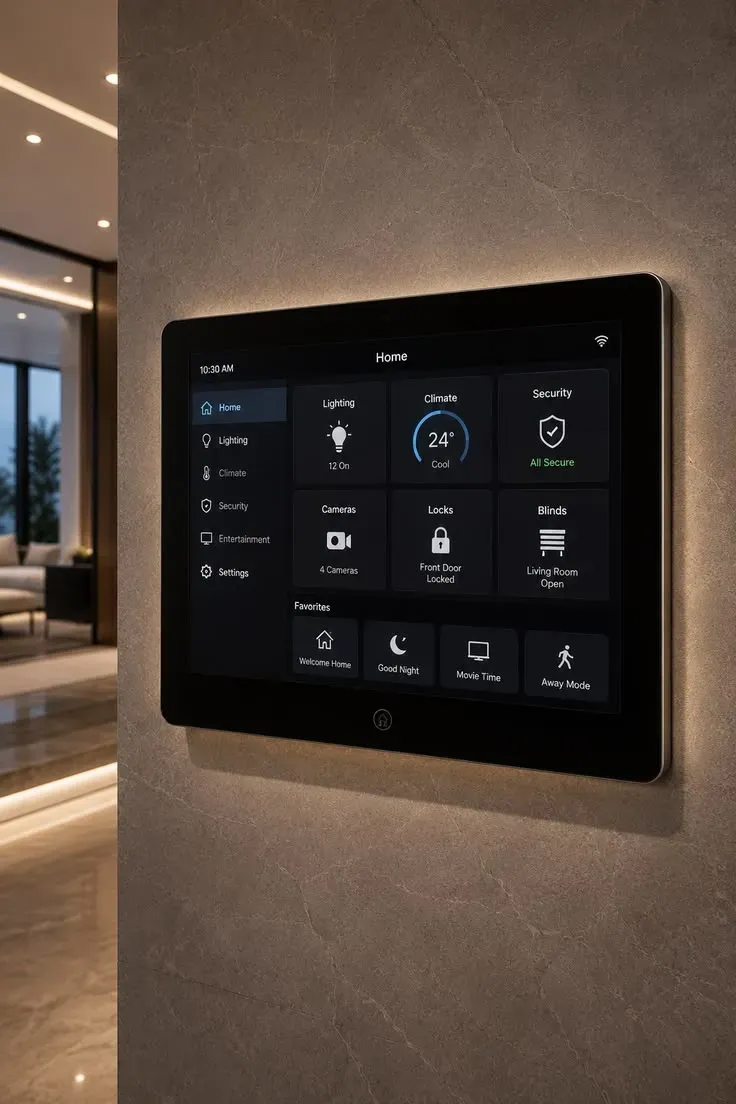
It is not, by itself, a guarantee of comfort or simplicity — the same underlying technology can be configured to give a household manual control over every scene, or to run almost invisibly in the background. Which of those two a household actually wants is the single most important design decision in the entire project, and it's the one most automation providers skip.


That gap matters because it's the most common reason automation projects disappoint. A resident who wanted a quiet, low-maintenance home ends up with an app full of settings they never asked for; a resident who wanted full manual control feels like the system is making decisions for them.


Getting this right from the start is the difference between a system a household actually uses and one that gets switched back to manual within a year.
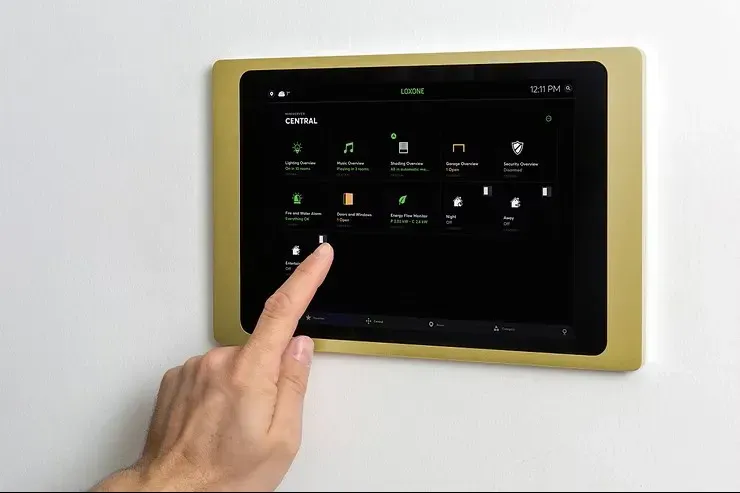
Loxone home automation control panel

The market is growing faster than most homeowners realize


Home automation isn't a niche upgrade anymore. The global smart building market was valued at roughly $141.8 billion in 2025 and is projected to keep growing at a double-digit compound annual rate through the early 2030s, with the residential segment specifically cited as one of the fastest-growing pieces of that market, driven by rising adoption of smart HVAC, lighting, and security systems.


In the GCC specifically, high-profile smart city and hospitality development is accelerating this further, with national diversification strategies putting digital infrastructure at the center of new residential and mixed-use projects.


Why "one-size-fits-all" fails: the assisted living model


The most useful way to think about home automation isn't as a fixed set of features. It's closer to assisted living: a system tailored to how much control or simplicity a specific household wants in daily life.


Some residents want to manage every lighting scene, every temperature setting, and every shading position themselves. Others want a home that quietly adjusts itself and requires almost no interaction at all. Neither preference is wrong, but a system designed for one and delivered to the other feels broken even when it's functioning exactly as built.
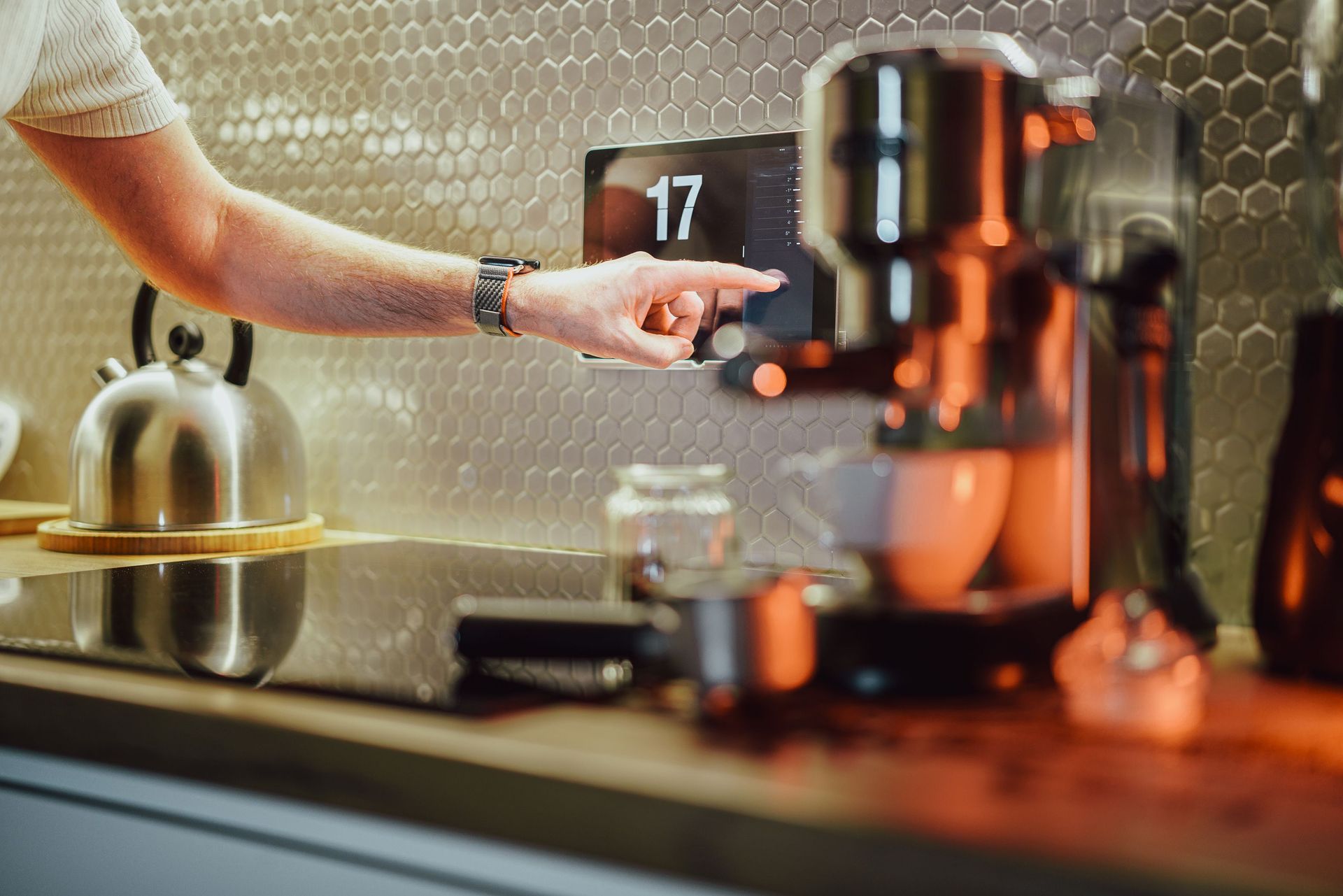
A man accessing the home automation control in his kitchen

In practice, this means starting the conversation before any device is specified.


A good automation designer asks how the household actually spends its evenings, how technical the residents are, and how much they want to feel the system working versus not notice it at all. Then builds the platform, scene logic, and interface around that answer, not the reverse.


One interface, not five apps


Once that preference is understood, the practical goal is unification: lighting, climate, shading, security, and entertainment should live in a single interface, manageable from inside the home or remotely, rather than five separate apps for five separate systems. This is where a lot of DIY smart-home setups fall short: individually smart devices that were never designed to speak to each other end up creating more complexity, not less.
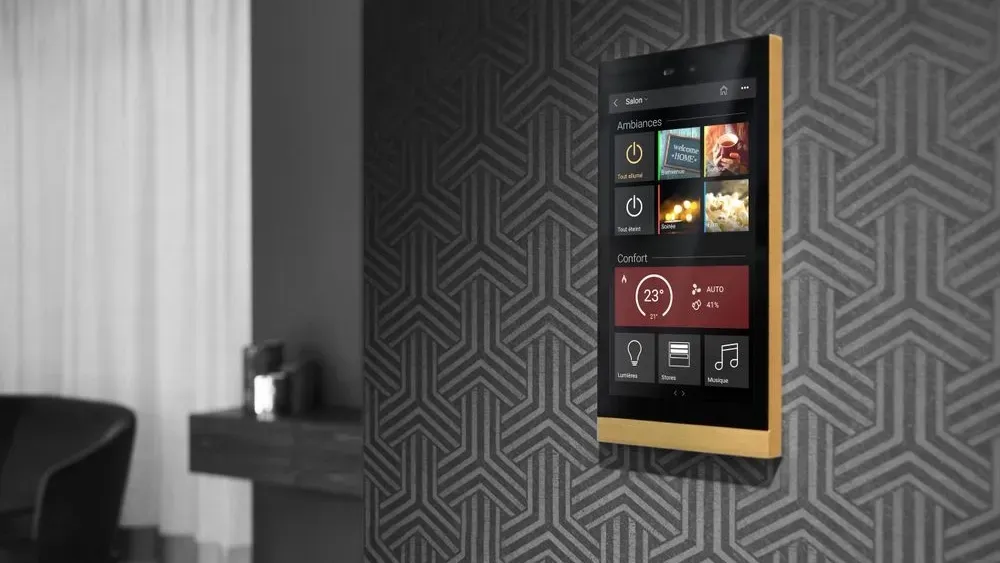
Basalte home automation control panel

Choosing a platform: match the system to the household, not the other way around


Common residential automation platforms (Basalte, Loxone, and Schneider Electric) differ meaningfully in interface style, price point, and how much manual control they emphasize versus automated logic. The right choice depends on the household preference established at the very start of the project, not on which platform a given installer happens to prefer selling.

It's the integration of a home's lighting, climate, shading, security, and entertainment systems into a single platform that can be controlled centrally, remotely, or automatically — rather than managing each system separately.

Usually because the system was configured for a level of manual control or automation the household didn't actually want.


Matching the system to how a household prefers to live, before choosing any hardware, is the single biggest factor in whether a system gets used long-term.

When coordinated with the electrical contractor early in the build, most residential installations are completed in about a week. Retrofitting an already-finished home typically takes longer.

Not necessarily.


Different platforms suit different budgets and control preferences, and the right choice depends on the household's needs rather than a fixed rule.

Contact Us

Share on

November 3, 2026
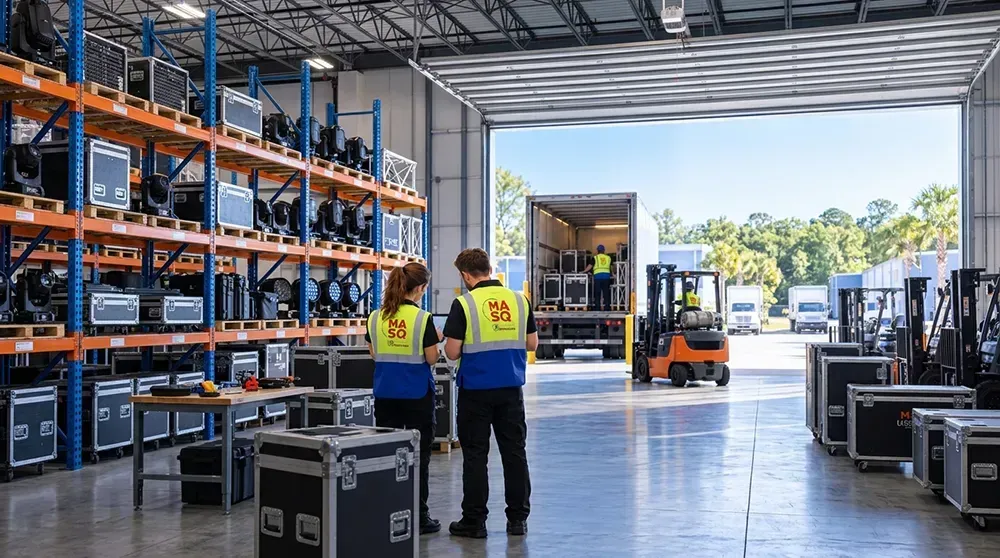
Supply Chain Resilience in Unstable Times: How MASQ Keeps Projects Moving
October 30, 2026
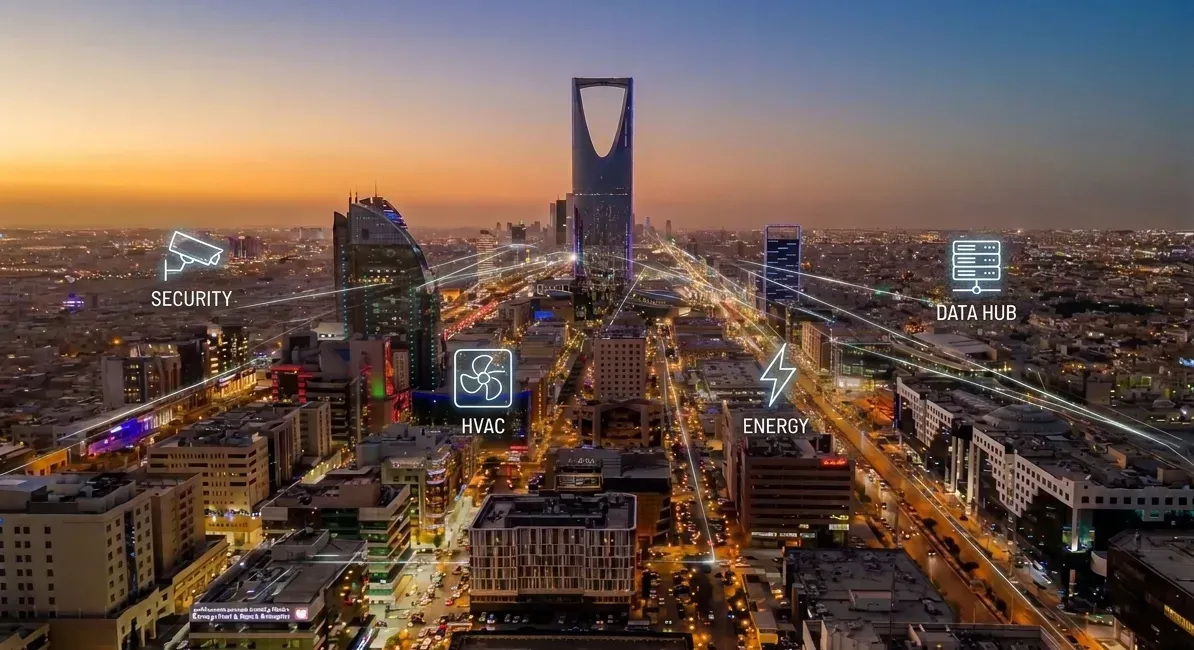
How AI Is Making Building Management Systems Predictive, Not Reactive
Light esigners ing a talk at the IALD 2026
By costy • June 30, 2026
Key technical execution and smart automation takeaways from IALD Europe 2026 in Paris. Discover how MASQ bridges the gap between lighting concepts and site delivery.
Light + Building 2026 Poster
By Nader • March 30, 2026
Is Light + Building losing its edge? A closer look at the 2026 fair, shifting participation, and the trends reshaping the future of lighting.
May 14, 2025
Backyard Lighting Ideas to Make Every Night a Special Occasion Backyards are a key aspect of a home, it's where we socialize, relax, and play. But after the sun goes down, it's forgotten as we rush inside to escape the dark. This is where backyard lighting comes into play. Backyard lighting isn't just about extending the usability of your outdoor area; it's about setting a mood, highlighting landscaping, and creating an inviting atmosphere for friends and family to enjoy long after dusk. Our lighting experts advise the power of restraint: "Less really is more—thoughtful placement beats bright, blinding lights. Stick with warm white (2700K–3000K) for a cozy, inviting glow. Layer ambient, task, and accent lights for depth and flexibility, integrating dimmers or smart controls to adjust ambiance easily. Highlight trees, textured walls, or sculptures to showcase your space’s best features. Lanterns, string lights, and sculptural fixtures add charm, while RGBW lights introduce playful colors for special occasions."
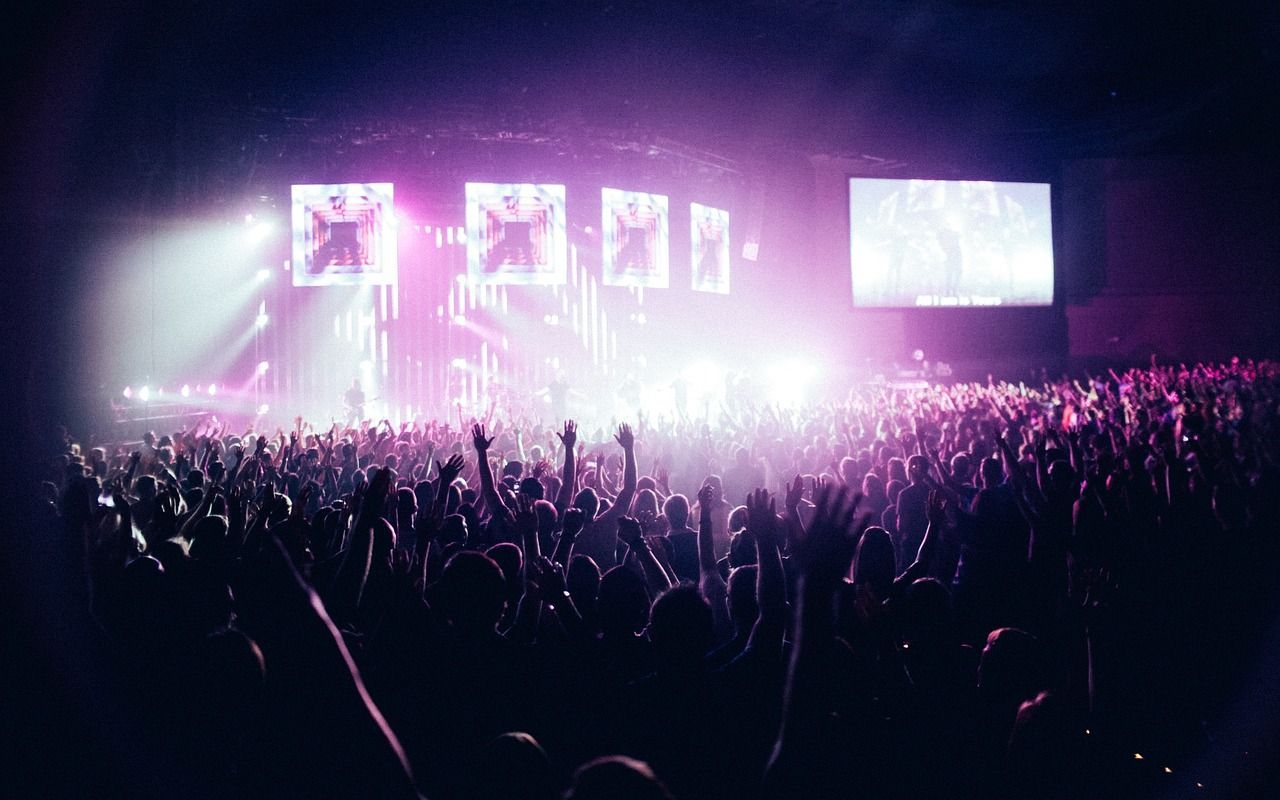
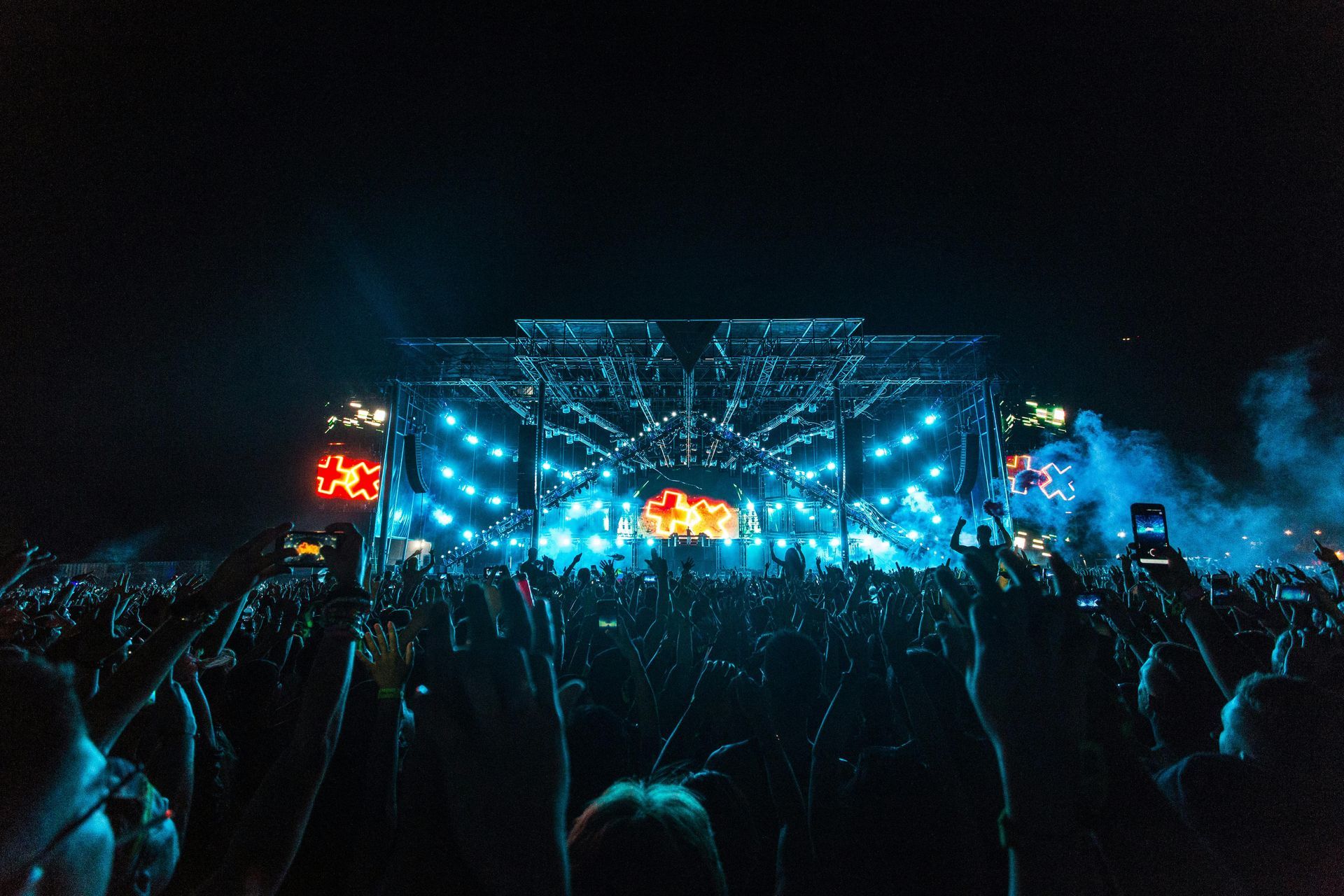
Silhouetted crowd with raised hands faces a brightly lit stage with performing band and screens.
By Victoria • April 15, 2025
A MASQ blog post outlines the top 10 trends in audio-visual (AV) automation and acoustic design for commercial spaces in 2025. Key trends include AI-powered automation, sustainable AV solutions, immersive audio, interactive digital signage, hybrid event technologies, AI-driven room automation, AV-over-IP, AR integration, predictive maintenance/security, and XR/VR adoption. These innovations aim to enhance engagement, efficiency, and user experience in corporate, retail, and hospitality environments, ultimately leading to smarter and more immersive spaces.
By Victoria • April 11, 2025
How AI is Transforming Audio-Visual Systems: Automation Meets Acoustics
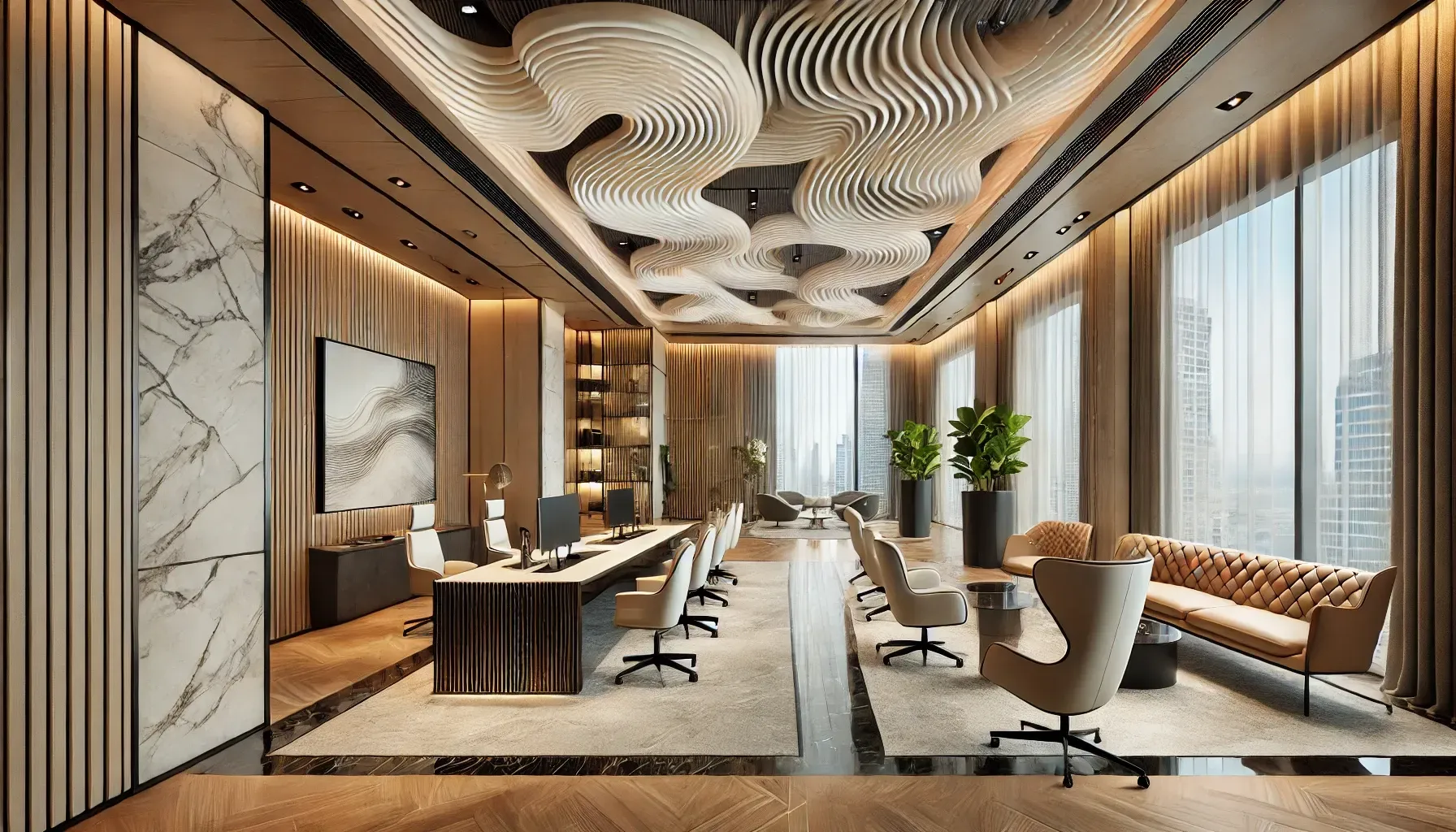
Modern luxury office space with marble accents, warm lighting, a wooden desk, comfortable seating
By Victoria • January 13, 2025
2025 Lighting Design Trends and Predictions
By Victoria • January 13, 2025
A Look Back at 2024's Top Lighting Trends
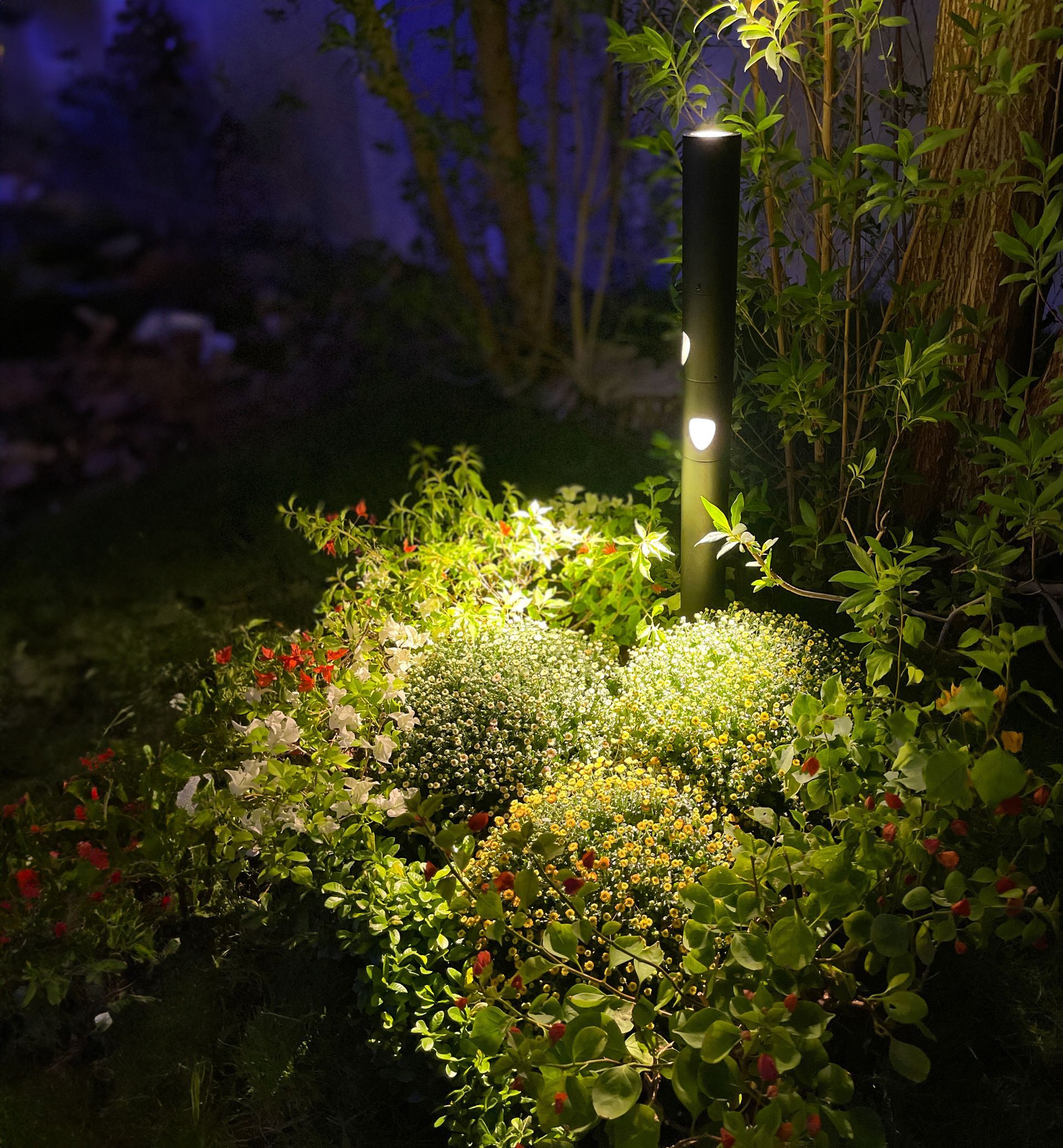
The Jupiter Bollard, a sleek black light fixture, illuminates lush greenery and vibrant flowers
By Victoria • December 27, 2024
The Jupiter Bollard, designed by MASQ and winner of the 2024 LIT Design Award in the 'Landscape Lighting Design' category, is a versatile and sustainable outdoor lighting solution that combines style and functionality. Its sleek, modern design emits a warm glow, enhancing outdoor spaces with a tranquil and inviting atmosphere. Featuring a modular system with three interchangeable components—uplight for highlighting tree branches, downlight for pathways, and a ring module for ambient light—it offers ultimate flexibility and customization with adjustable beam angles and color temperatures. This design supports sustainability through a circular economy approach, allowing individual module replacement to minimize waste, while energy-efficient LED technology reduces power consumption, carbon emissions, and light pollution, making it an ideal choice for any landscape.
More Posts