How AI Is Making Building Management Systems Predictive, Not Reactive
How AI Is Making Building Management Systems Predictive, Not Reactive
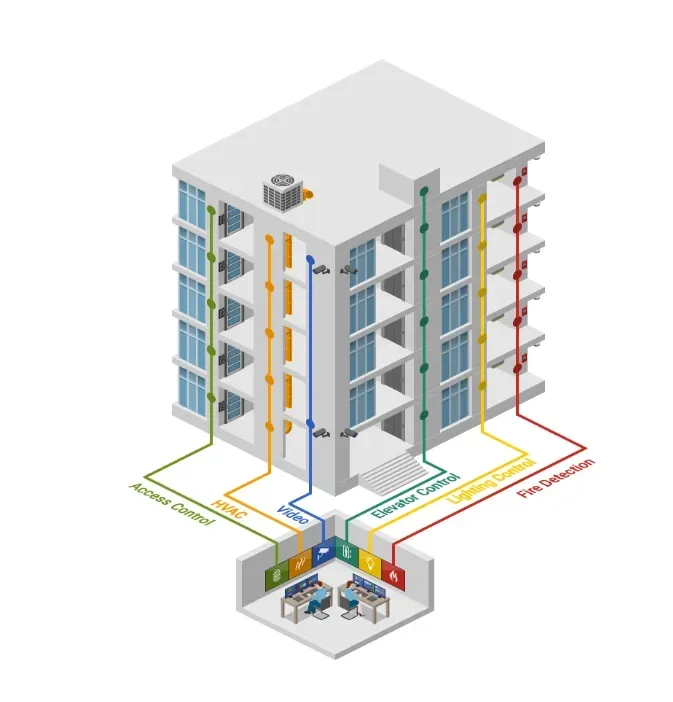
A Building Management System (BMS) is the centralized platform that monitors and controls a building's HVAC, electrical, lighting, fire and life-safety, and security systems from a single point, rather than managing each system in isolation.
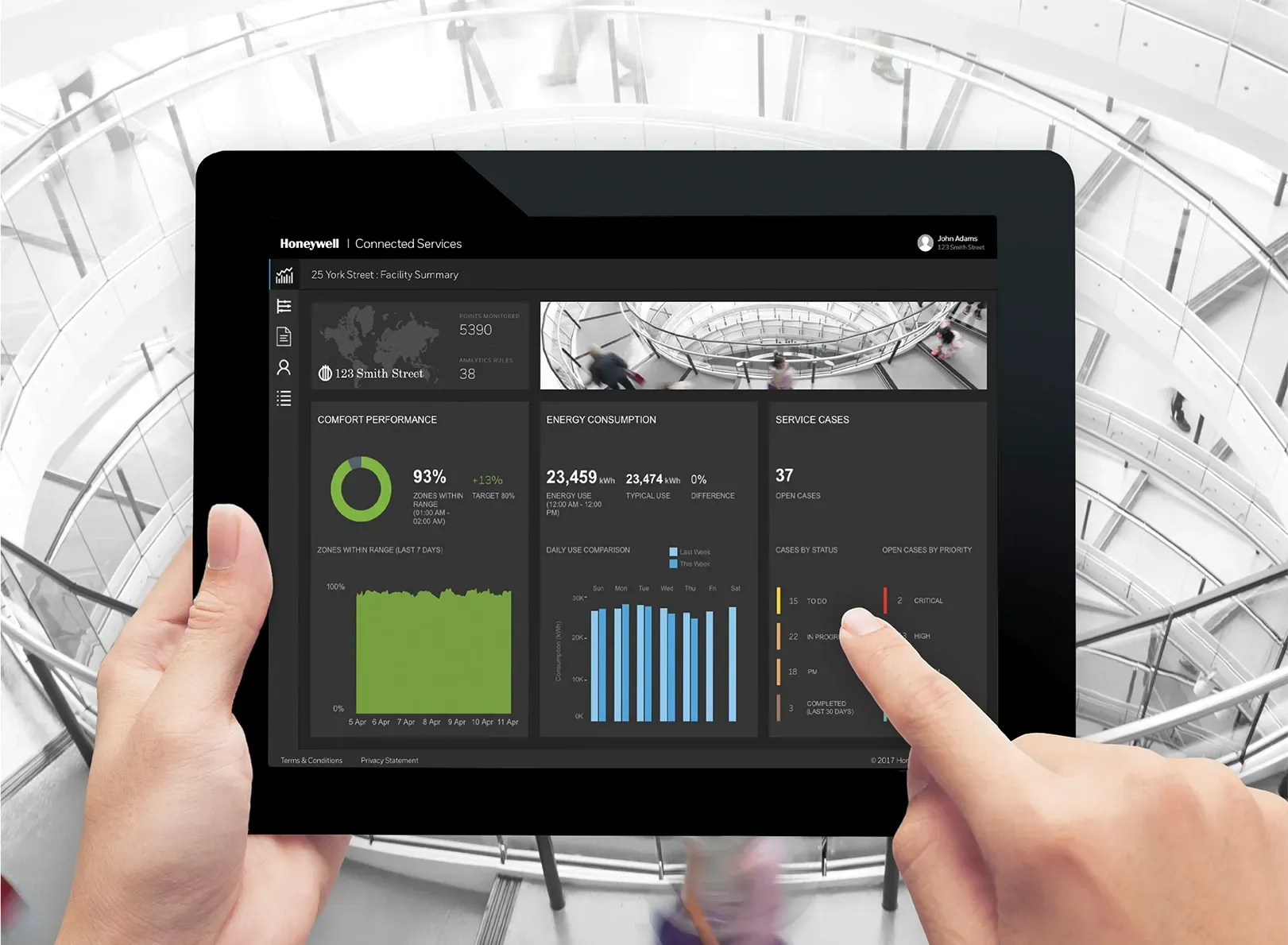
Historically, a BMS has been a reactive tool: a sensor detects that a room has crossed a temperature threshold, and the system responds after the fact. The shift underway now is toward prediction: AI modules that anticipate the change before it happens and adjust in advance, rather than waiting to react to it.
That distinction is worth taking seriously because of where the money actually is. HVAC typically accounts for around
70% of total energy use in a commercial building. So a system that manages HVAC more intelligently doesn't just improve comfort; it moves the single largest line item on a building's energy bill.
The market backing this shift
This isn't a marginal trend. The global smart building market was valued at roughly $141.8 billion in 2025 and is projected to grow at a compound annual rate in the double digits through the early 2030s, and the building automation and controls segment specifically is forecast to more than double in size by the early 2030s.
The International Energy Agency reports that buildings account for roughly 30% of global final energy consumption and about 26% of energy-related emissions. Which is precisely the scale of the problem a modern, AI-integrated BMS is built to address.
What "AI-driven, predictive HVAC" actually means
Traditional BMS logic is a feedback loop: measure, compare to a set point, respond. Predictive control adds a forecasting layer on top: using patterns in occupancy, weather, and past performance to adjust HVAC output before conditions drift, rather than after.
In practice, this typically reduces HVAC energy consumption by 15–20%. Given that HVAC represents roughly 70% of a building's total energy use, that translates into a
10–15% reduction in the building's overall energy cost. A figure that shows up directly in both a sustainability report and an operating budget, not just a comfort metric.
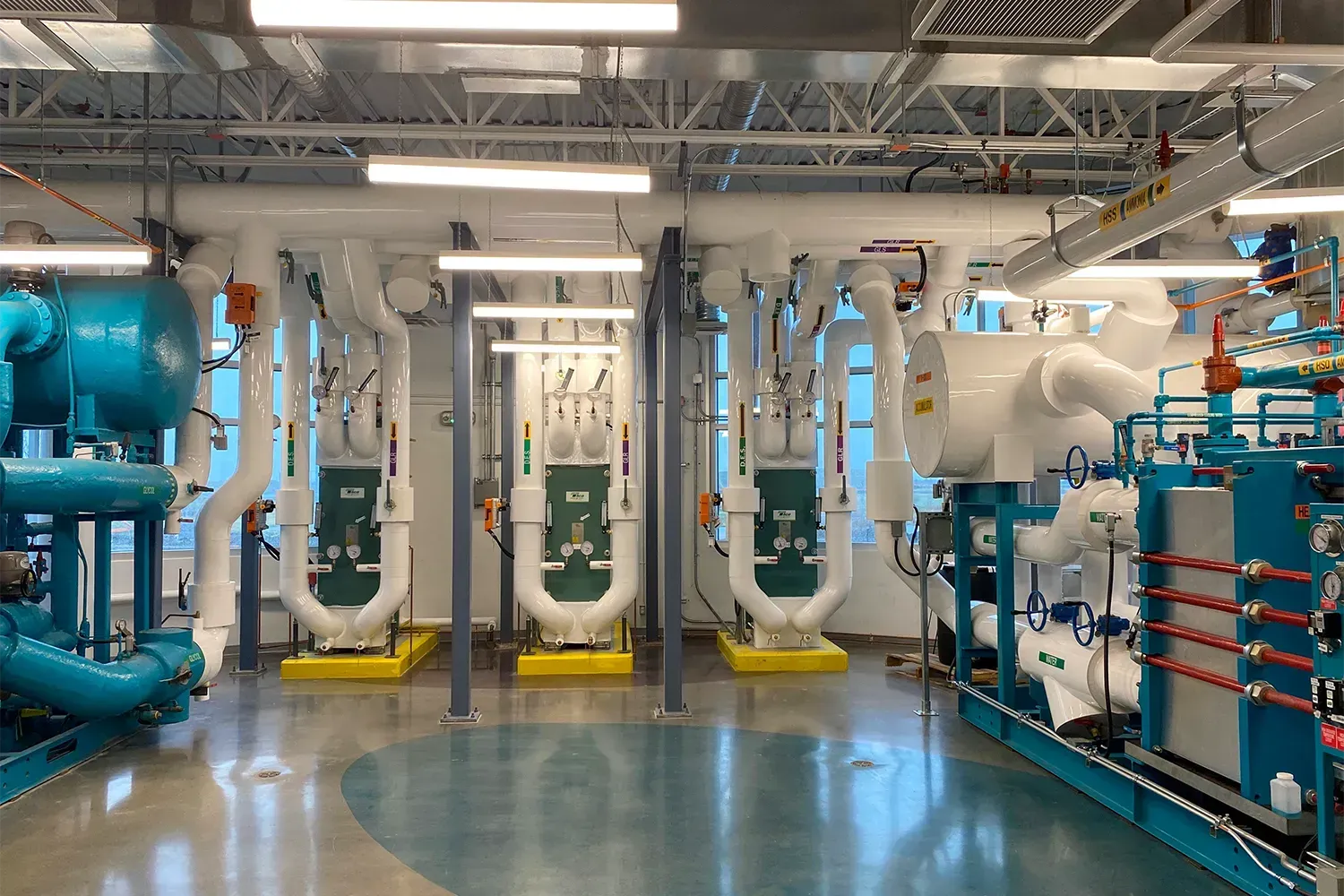
The case for getting involved before construction, not after
The most expensive BMS mistakes aren't made on-site — they're made at the specification stage, when a single brand's proprietary sequences of operation quietly lock a project into one ecosystem for its operational lifetime.
Working across multiple established BMS providers, rather than one, means specifications can be written to stay open and flexible from day one.
Open protocols: the practical alternative to vendor lock-in
The technical mechanism behind avoiding lock-in is standardization on open protocols (KNX, BACnet, Modbus, and DALI) built around ASHRAE guidelines, so hardware from different manufacturers can operate on a single platform instead of forcing a building onto one supplier's pricing and maintenance terms for decades.
This is also where the industry is converging generally: comfort, safety, security, and intrusion systems, historically managed as separate silos, are increasingly unified into one platform, which reduces the number of on-site operators a building needs and gives facility teams a single point of control.

The benefits that don't show up on the energy bill
Energy savings are the headline, but they're not the whole case for a modern BMS:
- Preventive maintenance that extends equipment lifespan by catching faults before failure.
- Comfort through precise, continuous control of temperature, humidity, and airflow
- Safety via integrated alerts and continuous system monitoring
- Productivity from better-managed, more consistently comfortable working environments
Share on