Building Management Systems
A BMS is often treated as a checklist: install to spec, connect HVAC, electrical, and security, move on. We treat it as an energy strategy.
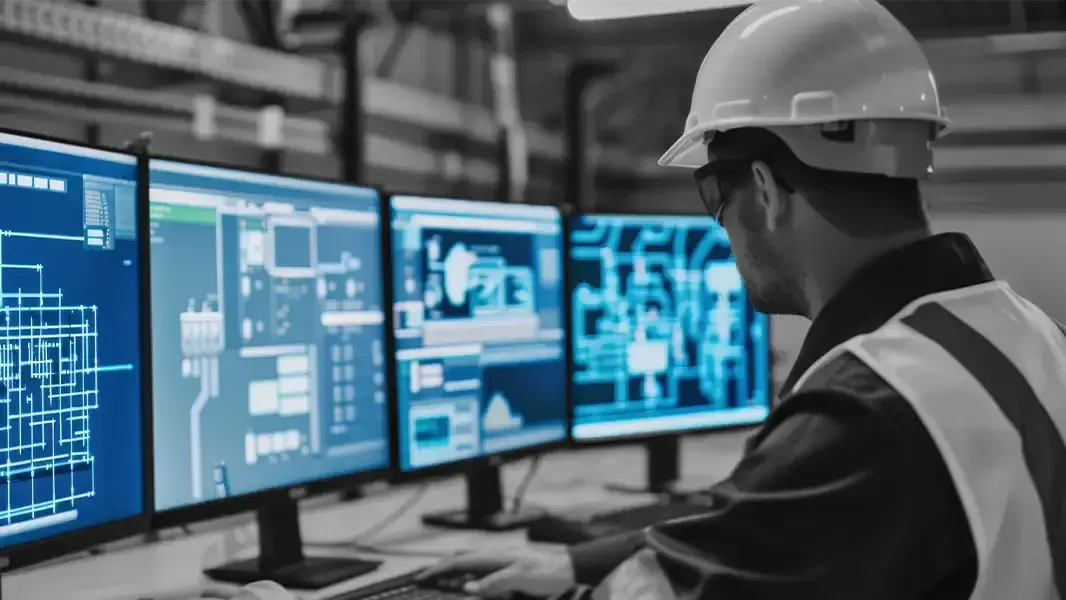
AI-Driven, Predictive HVAC
Traditional BMS is reactive; it waits for the temperature to cross a set point, then responds. We integrate AI modules that predict the change before it happens and adjust in advance. The result: 15–20% lower HVAC energy consumption. Since HVAC accounts for roughly 70% of total energy use across GCC buildings, that translates into a 10–15% reduction in overall energy costs. A direct, measurable contribution to your sustainability targets and your operating budget, not just a comfort upgrade.
This energy strategy is built into the BMS itself: MASQ’s BMS scope includes a full
Energy Management System (EMS): real-time consumption monitoring, load analysis, and reporting across HVAC and electrical systems. Not an add-on service, but a core part of how we specify and deliver every BMS.
Get Us Involved Early
Most BMS problems don’t start on-site; they start at the specification stage, where big brands often lock clients into a single ecosystem through pre-specified sequences of operation and proprietary hardware.
Because we work across established BMS providers, bringing us in during design lets us help write specifications that stay flexible, efficient, and aligned with your long-term interests; not a single vendor’s roadmap.
Built on Open Standards
We design around ASHRAE guidelines and open protocols so systems from different manufacturers communicate on one platform, instead of locking you into a single supplier’s pricing and maintenance terms. This is also where the industry itself is heading: comfort, energy, and security systems, once managed separately, are increasingly unified into a single platform, reducing the number of operators needed to run a building and giving facility teams better overall control.

- Preventive maintenance that extends equipment lifespan
- Comfort through precise control of temperature, humidity, and environment
- Cost visibility through real-time energy monitoring and reporting
- Productivity from more comfortable, better-managed working environments
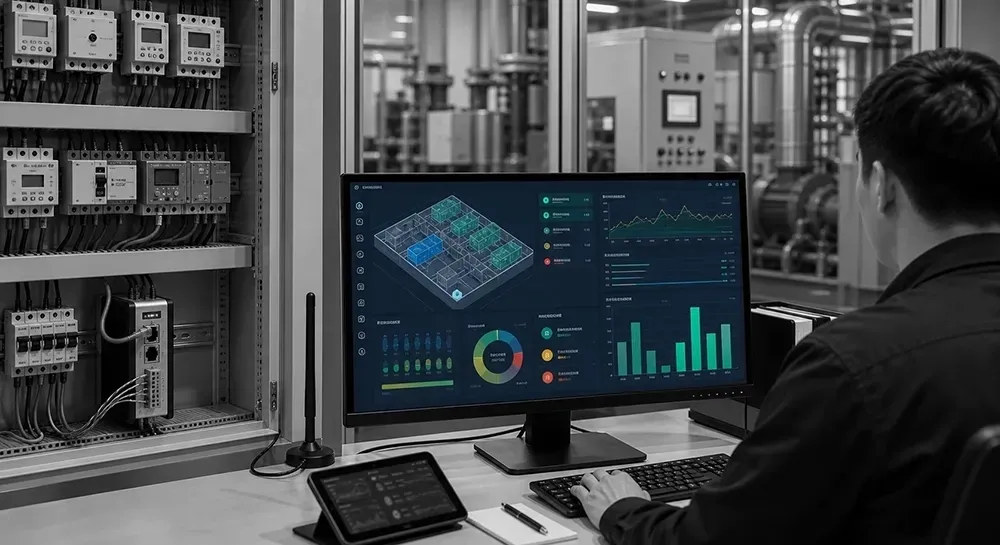
- Building Management Systems — centralized HVAC and electrical supervision with real-time data and analytics
- Energy Management System (EMS) — consumption monitoring, load analysis, and performance reporting built into every BMS
- IoT Smart Systems — connected sensors and cloud monitoring for predictive maintenance and portfolio-wide insight
- Data Center Solutions — resilient power, cooling, and environmental monitoring for mission-critical facilities