Reliable Illumination When It Matters Most
Engineered into every building we touch — not an afterthought bolted on at handover.
Lit the Instant Power Fails
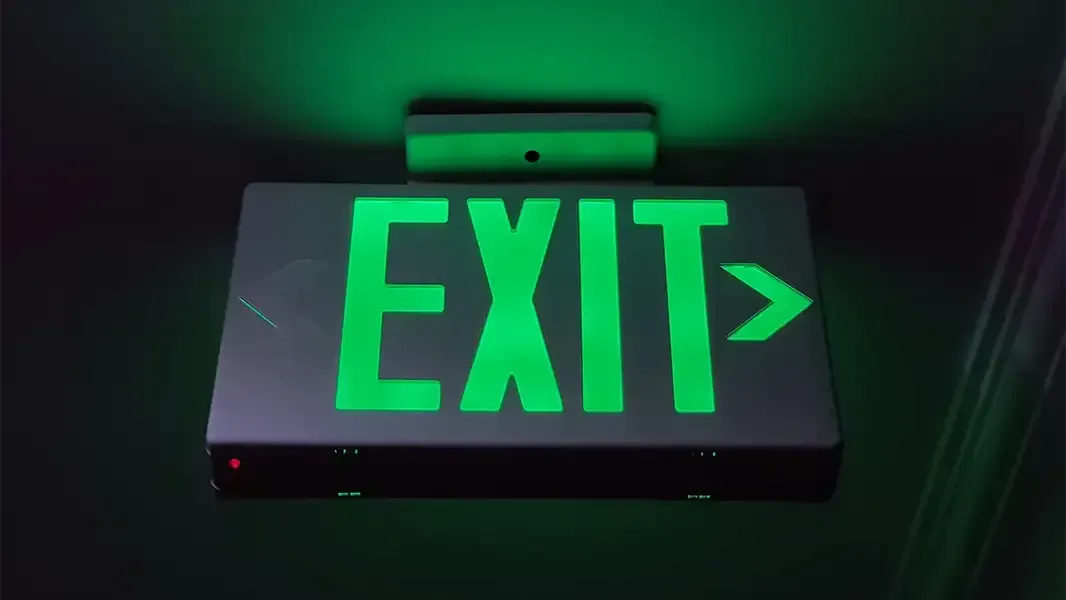
Our emergency lighting and central battery systems keep exits, stairwells, and critical areas lit the instant power fails. Whether through standalone emergency fittings or a centralized battery system feeding the entire building from one monitored source. This isn’t a system you hope works during an incident; it’s tested, monitored, and verified continuously so it simply does.
Two Approaches, One Standard of Reliability
Central Battery Systems
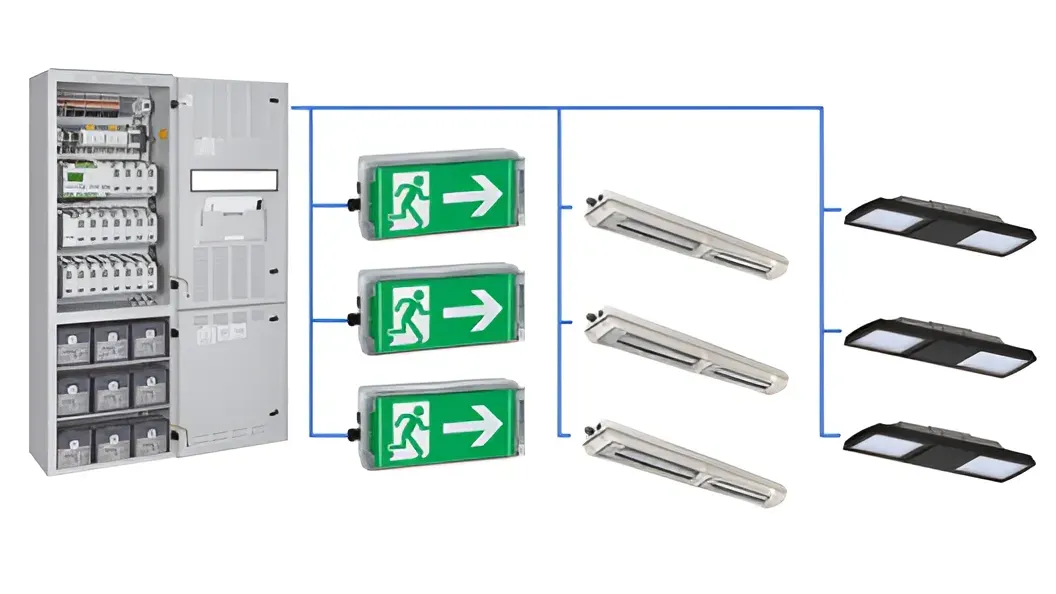
Central battery systems are typically the choice for larger or newly constructed buildings. Offering centralized testing, monitoring, and maintenance from a single point, so facility teams aren’t chasing down individual fittings across dozens of floors.
Self Contained Units
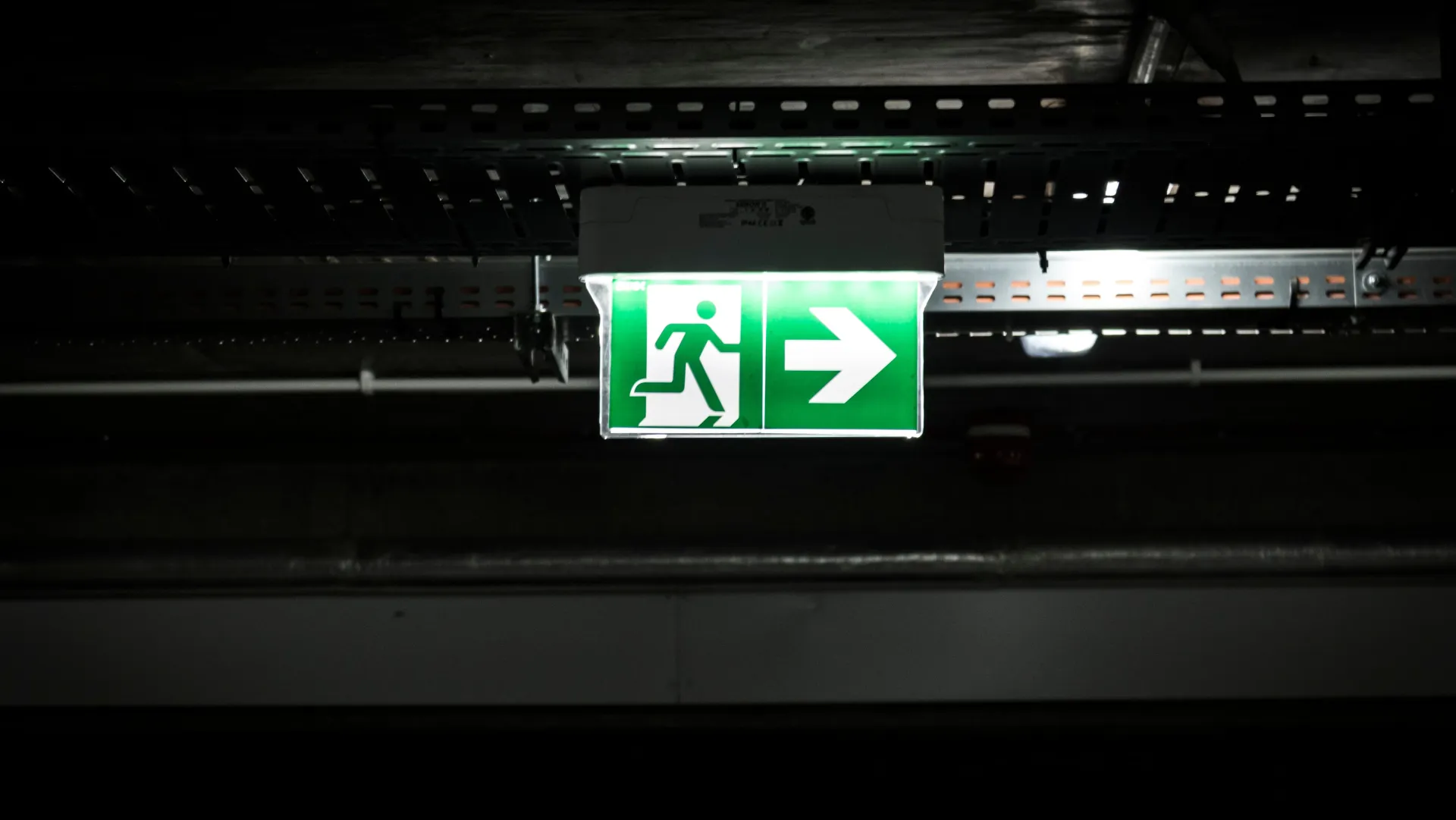
Self-contained units suit smaller spaces or retrofits, where running dedicated cabling back to a central point isn’t practical. Each fitting operates independently, with its own battery and test cycle.
Both approaches meet safety code requirements, and critically both work together seamlessly within the same building. That gives you the flexibility to protect any building, new or existing, without compromising on reliability, and without forcing a one-size-fits-all system onto a project where it doesn’t fit the architecture or the budget.
Centralized Monitoring, Zero Guesswork
Every system MASQ installs includes continuous monitoring, automatic testing, and compliance-ready diagnostics. So instead of manual walk-throughs and paper logs, you get a real-time record of exactly which fittings are working, which need attention, and whether the building is currently compliant, without waiting for an inspection to find out.